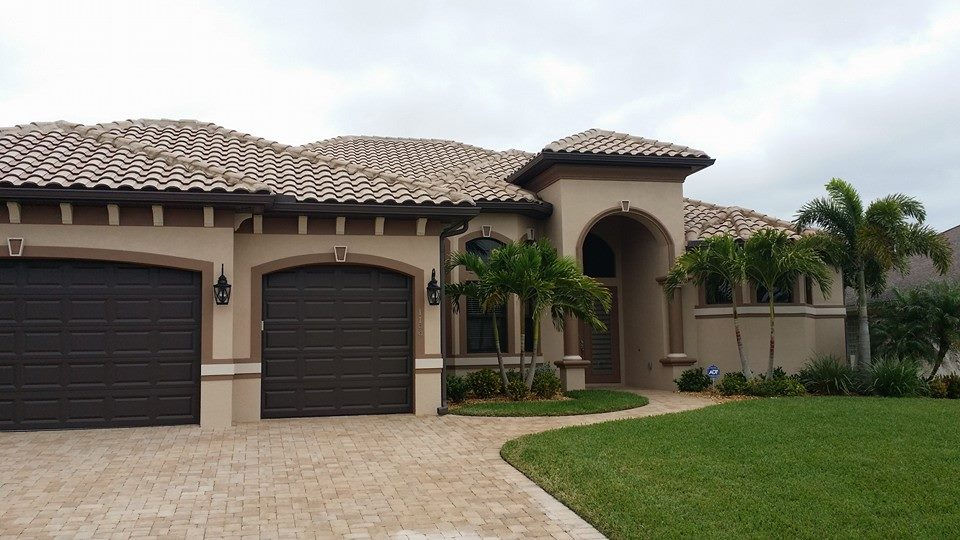
5 Signs Your Cape Coral Driveway Needs Professional Cleaning
Updated: Jul 27
Your driveway is one of the first parts of your property that visitors, neighbors, and potential buyers notice. In Cape Coral, it also faces year-round exposure to intense sunlight, frequent rain, high humidity, vehicle traffic, irrigation overspray, and organic growth. Over time, these conditions can leave concrete and paver driveways looking dark, stained, and neglected.
Some surface discoloration is normal, but certain warning signs indicate that routine rinsing is no longer enough. Here are five signs that it may be time to schedule professional driveway cleaning.

1. The Driveway Looks Darker Than It Used To
Driveways rarely become dirty overnight. Dust, pollen, soil, tire residue, grass clippings, and airborne contaminants gradually settle into the surface. Because the change happens slowly, many homeowners do not realize how much the driveway has darkened until part of it is professionally cleaned.
Concrete is porous, so contaminants can settle into small surface openings rather than remaining loose on top. Pavers can also collect dirt within their textured surfaces and joints.
A professional surface cleaning can remove this embedded buildup and reveal the brighter concrete or paver color underneath. The contrast is often especially noticeable along the edges, near the garage, and in areas where vehicles are normally parked.

2. Green Algae or Black Organic Staining Is Appearing
Cape Coral’s warm, humid climate creates ideal conditions for algae, mildew, and other organic growth. These contaminants are especially common in shaded areas, near landscaping, beside canal-front homes, and in places where irrigation or rainwater keeps the surface damp. You may notice:
Green patches along the driveway edges
Black or gray discoloration in shaded areas
Slippery sections after rain
Organic growth between paver joints
Dark streaks where water regularly drains
This buildup is more than a cosmetic issue. Algae can become slippery when wet, increasing the risk of someone losing their footing.
Professional cleaning combines the proper surface-cleaning equipment with appropriate treatments for organic growth. This allows the
driveway to be cleaned more evenly than it would be with a basic homeowner pressure washer.
For more information about the methods used on different exterior surfaces, read our guide to Our Driveway and Sidewalk Cleaning Process.
3. Oil, Rust, Tire Marks, or Other Stains Are Becoming Noticeable
Vehicles, irrigation systems, lawn equipment, outdoor projects, and everyday use can leave several types of stains on a driveway. Common examples include:
Oil and automotive fluid spots
Tire marks
Rust from irrigation water or metal objects
Fertilizer stains
Paint or construction residue
Grease near outdoor cooking areas
Leaf and organic staining
These stains should be addressed as soon as possible. Concrete and pavers are porous, which means oil, rust, and other substances can penetrate below the surface. The longer a stain remains, the more difficult it may be to remove completely.
Professional cleaning and stain treatments can often significantly improve these areas, but homeowners should have realistic expectations. Older oil, rust, paint, or chemical stains may lighten without disappearing entirely. The final result depends on the type of contaminant, how deeply it has penetrated, and how long it has been present.
4. The Surface Becomes Slippery After Rain
Frequent rain and lingering moisture are part of life in Southwest Florida. When dirt, algae, and mildew accumulate on a driveway, the surface can become noticeably slick during or after a storm. This problem often develops in areas that receive less direct sunlight, including:
The north-facing side of the home
Sections shaded by trees or landscaping
Driveways beside tall privacy fences
Areas near downspouts or roof runoff
Canal-side properties with persistent moisture
Sections regularly hit by irrigation overspray
A slippery driveway can create a hazard for family members, guests, delivery drivers, and service providers. Removing the buildup helps improve traction and keeps walkways and frequently used areas easier to navigate.
Homeowners should also inspect nearby sidewalks and front walkways. These surfaces are often exposed to the same moisture and organic growth as the driveway and may need to be cleaned at the same time.
5. The Driveway Makes the Rest of the Property Look Unfinished
A dirty driveway can make an otherwise well-maintained home look older or less cared for. This is particularly noticeable when the landscaping, exterior walls, garage door, and entryway are clean but the driveway remains heavily discolored.
Professional driveway cleaning can provide a noticeable curb appeal improvement without replacing or resurfacing the driveway. It can be especially valuable when:
Preparing a home for sale
Returning to a seasonal residence
Hosting visitors
Completing exterior painting or landscaping
Cleaning the property after the rainy season
Refreshing the home before the winter season
Seasonal residents may find more buildup than expected after returning to Cape Coral. Months of humidity, rainfall, irrigation, and limited activity can allow algae and dirt to spread across exterior surfaces without being noticed.
Why Cape Coral Driveways Get Dirty So Quickly
Driveways in Cape Coral face a different set of conditions than properties in cooler or drier climates.
High Humidity and Frequent Rain
Moisture supports algae and mildew growth throughout much of the year. Surfaces that remain shaded or poorly drained may become dirty again faster than areas that receive direct sunlight.
Irrigation and Rust Staining
Southwest Florida irrigation systems can leave mineral or rust-colored staining on concrete, pavers, exterior walls, and curbing. Misaligned sprinkler heads may also keep sections of a driveway continually damp.
Salt Air and Coastal Exposure
Homes closer to the Caloosahatchee River, Matlacha Pass, or other coastal areas may experience salt residue and additional airborne contaminants. Salt air does not affect every neighborhood equally, but it can contribute to exterior buildup on exposed properties.
Canal-Front Conditions
Canal-front homes often have more moisture around driveways, walkways, docks, pool decks, and shaded sides of the property. Landscaping and irrigation near the water can further increase the amount of organic material deposited on hard surfaces.
Year-Round Outdoor Activity
Unlike colder climates, Cape Coral homeowners use their driveways, garages, pool areas, and outdoor spaces throughout the year. Vehicle traffic, home projects, landscaping, and outdoor entertaining all contribute to surface wear and staining.

Benefits of Professional Driveway Cleaning
Professional cleaning offers more than a temporary cosmetic improvement.
More Even Results
Commercial surface-cleaning equipment cleans larger sections consistently and helps reduce the uneven lines often left by homeowner pressure-washing wands.
Proper Pressure for the Surface
Concrete, pavers, joints, edges, painted areas, and nearby landscaping require different levels of care. Excessive pressure or poor technique can leave visible marks, damage surface coatings, or remove too much joint sand from pavers.
Treatment for Organic Growth
Water pressure alone may remove visible discoloration without properly treating the algae or mildew responsible for it. Professional cleaning methods address both the surface buildup and the organic contaminants contributing to the staining.
Improved Curb Appeal
A cleaner driveway can brighten the front of the property and create a more consistent appearance from the street.
Greater Convenience
Professional equipment can complete the work efficiently while reducing the amount of time a homeowner spends handling hoses, chemicals, rented equipment, and cleanup.
Concrete and Paver Driveways Require Different Care
Although concrete and paver driveways can both benefit from professional cleaning, they should not always be treated in exactly the same way.
Concrete can usually tolerate controlled surface cleaning, but technicians must still avoid excessive pressure near expansion joints, cracks, edges, and previously damaged areas.
Paver driveways require additional attention to joint sand, loose or uneven pavers, weeds, and any existing sealer. Aggressive cleaning can displace unnecessary amounts of sand or create uneven results.
After cleaning, some homeowners may choose to have their pavers re-sanded and sealed. Sealing can enrich the appearance of the pavers, stabilize joint sand when the proper system is used, and provide added protection against moisture and staining.
However, sealing is a separate maintenance decision rather than a requirement after every cleaning. The pavers should first be evaluated for their condition, previous coatings, drainage, and any repairs that may be needed.
How Often Should a Driveway Be Professionally Cleaned?
There is no single schedule that works for every Cape Coral home. Cleaning frequency depends on several factors, including:
Amount of shade
Irrigation exposure
Vehicle traffic
Nearby trees and landscaping
Concrete or paver condition
Canal or coastal proximity
Drainage around the driveway
Whether the home is occupied year-round
Many homeowners schedule driveway cleaning as part of broader exterior maintenance rather than waiting for severe staining. Others arrange service before returning for the season, listing a home for sale, or preparing for guests.
The best time to clean is usually when buildup becomes visible but before algae, oil, rust, and other contaminants become deeply established.
Preparing for Professional Driveway Cleaning
A few simple steps can help the service go smoothly:
Move vehicles out of the driveway before the crew arrives.
Remove toys, planters, hoses, and portable decorations.
Keep pets and children away from the work area.
Point out oil, rust, paint, or chemical stains that need special attention.
Inform the technician about loose pavers, cracks, drainage issues, or existing coatings.
Check that windows and garage doors are completely closed.
Avoid running irrigation immediately before or after the appointment.
Providing information about older stains or previous sealing treatments helps the technician choose the most appropriate cleaning approach.
Professional Driveway Cleaning from AAA Pressure Washing
A dark or stained driveway does not always need resurfacing or replacement. In many cases, professional cleaning can remove years of accumulated dirt, algae, mildew, and surface grime to reveal a noticeably brighter entrance.
AAA Pressure Washing provides dependable Pressure Washing in Cape Coral and nearby homeowners can rely on for exterior maintenance throughout Southwest Florida. Our professional driveway cleaning in Cape Coral is designed around the surface, its condition, and the type of buildup present—not a one-pressure-fits-all approach.
Request a free quote from AAA Pressure Washing to find out what your driveway needs. We communicate clearly, care for your property, and arrive ready to complete the work properly.
AAA Pressure Washing — We Actually Show Up!
Ready to give your driveway a fresh look? Contact us today to schedule your professional pressure washing service!