
Why Cape Coral Homes Need Pressure Washing More Often Than Other Florida Cities
Updated: Jun 16
Florida homeowners are no strangers to sun, humidity, and seasonal storms—but Cape Coral presents a unique combination of environmental and lifestyle factors that cause exterior surfaces to deteriorate faster than in many other parts of the state. Between extensive canal systems, elevated humidity, coastal air, and a high number of seasonal residences, homes here accumulate organic buildup far more quickly.
That’s why pressure washing Cape Coral properties is not just cosmetic maintenance—it’s a necessary part of protecting a home’s structure, safety, and long-term value.


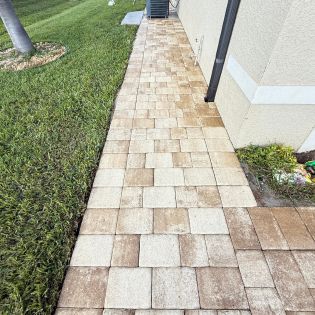
Cape Coral’s canal system creates a high-moisture microclimate
Cape Coral is defined by water. With hundreds of miles of freshwater and saltwater canals woven through residential neighborhoods, moisture exposure is constant. Homes near canals experience:
Higher humidity levels
Longer surface dampness
Shorter drying times compared to inland cities
This creates ideal conditions for algae, mold, and mildew to grow on driveways, sidewalks, pool decks, lanais, seawalls, and exterior walls.
Even homes not directly on the water are affected. Moist air circulates across the city, and shaded areas—especially on the north side of homes—often remain damp well into the day. Without regular cleaning, biological growth becomes embedded in porous surfaces, making it harder to remove over time.
Year-round humidity accelerates organic growth
Cape Coral’s consistently high humidity fuels rapid surface contamination. Concrete, pavers, stucco, and tile naturally absorb moisture; when humidity stays elevated, organic growth doesn’t just appear—it spreads.
Algae blooms faster on damp surfaces
Mildew darkens fascia, soffits, and stucco
Mold thrives in shaded or low-airflow areas
This is why homes in Cape Coral often need pressure washing more frequently than homes in drier or more inland Florida markets. Waiting too long between cleanings allows growth to penetrate deeper into surfaces, increasing the risk of staining, surface damage, and premature wear.
Frequent rainfall traps dirt and contaminants
Southwest Florida’s rainy season adds another layer of exposure. In Cape Coral, rain doesn’t simply rinse surfaces clean—it often leaves behind:
Organic debris
Pollen and dust
Airborne contaminants
These stick to damp concrete and pavers. Because surfaces stay wet longer, that residue becomes fuel for algae and mildew rather than washing away. Over time, this cycle results in:
Darkened, stained driveways
Slippery sidewalks and entryways
Discolored pool decks and lanais
Standard hose rinsing usually isn’t enough to reverse this level of buildup.
Pavers, concrete, and pool areas are especially vulnerable
Cape Coral neighborhoods are known for expansive paver driveways, walkways, and pool patios. While visually appealing, these surfaces are especially susceptible to growth because:
Sand-filled joints trap moisture and organic material
Weeds, algae, and mildew thrive in the joints
Growth can spread underneath pavers if left untreated
Concrete surfaces face similar risks. Their porous structure allows contaminants to penetrate, leading to staining and slick conditions—especially around pools, lanais, and shaded entryways.
Routine pressure washing removes buildup before it compromises safety or appearance.

Coastal air and salt residue increase surface wear
Proximity to the Gulf of Mexico introduces salt into the air, even several miles inland. Salt residue settles on exterior surfaces and:
Attracts and holds moisture
Speeds up staining and discoloration
Contributes to surface degradation over time
Regular pressure washing helps remove salt deposits before they cause long-term damage, making it an important preventative step for waterfront and near-coastal homes in Cape Coral.
Part-time and seasonal residents face unique challenges
Cape Coral has a large population of part-time residents who use their homes primarily during the winter months. Even when properties are monitored through home-watch services, exterior surfaces continue to accumulate dirt, algae, and mildew while the home sits vacant.
By the time seasonal residents return, they often find:
Darkened driveways
Pool decks that are slippery
Walkways with visible staining and organic growth
A professional pressure washing is often one of the first—and most necessary—steps before setting up the home for the season. Cleaning restores safety, improves curb appeal, and ensures the property is ready for guests, gatherings, and everyday use after months of environmental exposure.
Safety, property value, and HOA compliance all matter
Beyond appearance, dirty exterior surfaces create real safety and financial concerns:
Safety: Algae-covered concrete and pavers become slick when wet, increasing slip-and-fall risks for residents, visitors, and service providers.
Property value: Clean, well-maintained exteriors help protect resale value and keep homes competitive in the Cape Coral market.
HOA compliance: Many communities require regular exterior maintenance; staining and buildup are common reasons for violation notices.
Routine pressure washing helps homeowners stay compliant, reduce liability, and preserve property value.
Why professional expertise is essential in Cape Coral
Cape Coral’s environment demands more than occasional DIY cleaning. Incorrect pressure levels or improper techniques can:
Etch concrete
Damage pavers or strip sealers
Loosen joint sand
Force water into building materials, soffits, or roof systems
Effective cleaning requires an understanding of:
Different surface types and finishes
Local growth patterns and conditions
Appropriate pressure levels and cleaning solutions
That’s why homeowners—especially seasonal residents—benefit from professional pressure washing in Cape Coral performed by technicians who understand the city’s climate, construction styles, and environmental challenges. When done correctly, professional cleaning doesn’t just improve appearance—it helps extend the life of exterior surfaces and protect one of your most valuable investments.
Ready to keep your Cape Coral home clean year-round?
If your home is near a canal, sits vacant part of the year, or is starting to show algae and mildew buildup, professional cleaning can help prevent bigger problems. Contact AAA Pressure Washing to schedule service or learn more about pressure washing Cape Coral homeowners trust for long-term exterior protection.
Frequently asked questions about pressure washing in Cape Coral
Q: Why do Cape Coral homes need pressure washing more often than other Florida cities?
A: Cape Coral’s canal system, high humidity, coastal air, and frequent rainfall create ideal conditions for algae, mold, and mildew growth. These factors cause exterior surfaces to become dirty and slippery faster than in many inland or drier Florida cities.
Q: How often should a Cape Coral home be pressure washed?
A: Most Cape Coral homes benefit from pressure washing at least once per year. Homes near canals, heavily shaded properties, and part-time residences often need cleaning more frequently to prevent buildup and staining.
Q: Is pressure washing important for seasonal or part-time residents?
A: Yes. Homes that sit vacant for months often accumulate significant algae and mildew. A professional cleaning before seasonal residents return helps restore safety, curb appeal, and readiness for the winter season.
Q: Can pressure washing damage concrete or pavers?
A: When done incorrectly, yes. That’s why proper techniques—adjusted pressure levels, appropriate detergents, and surface-specific methods—are critical for safe, effective cleaning.
Q: Does pressure washing help maintain property value?
A: Absolutely. Clean exterior surfaces improve curb appeal, reduce long-term surface wear, help prevent HOA violations, and protect resale value in competitive Cape Coral neighborhoods.
Listen to "Cape Coral Homeowners' Top Pressure Washing Questions - Answered!" on Spotify
